

Introduction: When “Just 25 Minutes” Feels Impossible
You sit down to work.
You start a Pomodoro timer.
It says 25:00.
And instead of feeling motivated, your mind quietly panics.
If you’ve ever thought “Why does 25 minutes feel so long?” you’re not broken, lazy, or bad at focus. The truth is: for many people, the 25 minute pomodoro is too long, especially in today’s distraction-heavy, mentally overloaded world.
The Pomodoro Technique is often marketed as a universal solution. But focus doesn’t work the same for everyone—and 25 minutes isn’t a magic number.
In this post, we’ll break down why 25 minutes feels too long, the hidden psychology behind it, and what to do instead so you can actually focus without forcing yourself.
The Origin of the 25-Minute Rule (And Why It’s Misunderstood)
The Pomodoro Technique was created by Francesco Cirillo in the late 1980s. The idea was simple:
- 25 minutes of focused work
- 5 minutes of break
- Repeat
But here’s what most people miss:
25 minutes was never meant to be a rigid rule.
It was simply the length of time Cirillo could stay focused at that stage of his life, using a tomato-shaped kitchen timer. Over time, the method got standardized, packaged, and promoted as a one-size-fits-all productivity hack.
Your brain, environment, stress levels, and digital habits? Completely different.
Why the 25 Minute Pomodoro Is Too Long for Many People
1. Your Brain Is Already Mentally Fatigued
Focus doesn’t start at zero every day.
If you:
- Scroll social media before work
- Multitask constantly
- Carry mental stress or anxiety
- Study after long hours
Then asking your brain to suddenly lock in for 25 minutes is like asking tired legs to sprint.
Mental energy ≠ motivation.
When energy is low, 25 minutes feels endless.
2. Task Resistance Makes Time Feel Longer
The brain doesn’t fear time—it fears uncertainty.
If your task is:
- Vague
- Emotionally heavy
- Too big
- Too hard
Your brain goes into avoidance mode. The timer becomes a threat, not a tool.
That’s why:
- 25 minutes of YouTube feels fast
- 25 minutes of studying feels painful
Same time. Different emotional load.
3. You’re Not Distracted—You’re Overstimulated
Modern brains are trained on:
- Notifications
- Short videos
- Infinite scrolling
- Instant rewards
When stimulation drops, discomfort rises.
So when the timer says 25:00, your brain hears:
“No dopamine for a long time.”
That discomfort gets translated as:
- Restlessness
- Boredom
- Urge to quit
The problem isn’t discipline. It’s dopamine withdrawal.
4. Anxiety Distorts Time Perception
If you’re anxious, time stretches.
Studies show that anxiety makes people overestimate how long tasks take. That means a 25-minute session can feel like 45 minutes when your nervous system is activated.
Common signs:
- Checking the timer repeatedly
- Racing thoughts
- Tight chest
- Impatience
In this state, forcing longer sessions only deepens resistance.
The Myth: “If You Can’t Do 25 Minutes, You’re Weak”
Let’s kill this belief completely.
Focus is trainable, not a personality trait.
You wouldn’t:
- Lift heavy weights without warming up
- Run 10 km without conditioning
So why expect deep focus instantly?
For many people, the real problem isn’t productivity—it’s starting with a duration that’s too advanced.
When 25 Minutes Does Work (And When It Doesn’t)
| Situation | 25 Minutes Works? |
|---|---|
| Clear, familiar task | ✅ Yes |
| High mental energy | ✅ Yes |
| Deep, uninterrupted work | ✅ Yes |
| Anxiety, stress, overthinking | ❌ No |
| New or complex task | ❌ No |
| Burnout or fatigue | ❌ No |
If your context doesn’t support deep focus, the timer becomes pressure.
Better Alternatives When 25 Minutes Feels Too Long
1. Start with 5–10 Minute Focus Blocks
Instead of forcing 25 minutes, try:
- 5 minutes
- 7 minutes
- 10 minutes
Your only goal:
“Stay with the task until the timer ends.”
No productivity goals. No output pressure.
Once your brain trusts that focus is survivable, duration naturally increases.
2. Use “Entry Pomodoros”
An Entry Pomodoro is:
- Short
- Low pressure
- Designed only to start
Example:
- 8 minutes → break → decide if you continue
This removes the fear of commitment, which is often the real blocker.
3. Split 25 Minutes Internally
If you still want to keep 25 minutes, mentally divide it:
- First 5 min: settle in
- Next 10 min: work
- Last 10 min: finish light tasks
Your brain handles chunks better than long stretches.
4. Track Recovery, Not Just Focus
Most Pomodoro systems track:
- Time
- Sessions
- Streaks
But what really matters is:
- Why focus broke
- How fast you recovered
- Which duration worked best
Self-awareness beats rigid discipline.
The Real Goal Isn’t 25 Minutes—It’s Trust
When people say “25 minute pomodoro too long”, what they’re really saying is:
- “I don’t trust my brain to stay calm that long.”
- “I’m scared I’ll fail again.”
- “I don’t want to feel trapped.”
Shorter sessions rebuild confidence.
Confidence builds consistency.
Consistency eventually creates deep focus.
A Smarter Way to Use Pomodoro (Especially for Students)
As a student or solo builder, productivity isn’t about forcing intensity. It’s about reducing friction.
Try this progression:
- Start at 5–10 minutes
- Increase only when it feels easy
- Track patterns, not just time
- Adjust daily—energy changes
There’s no prize for suffering longer sessions.
Key Takeaways
- The 25 minute pomodoro too long feeling is common—and valid
- Focus fails due to fatigue, anxiety, overstimulation, not laziness
- Shorter sessions are a starting point, not a downgrade
- Building focus is about trust, not force
- Adapt the system to your brain, not the other way around
Final Thought (Read This Twice)
Productivity systems should reduce mental load, not add pressure.
If 25 minutes feels too long right now, listen to that signal. Start smaller. Focus grows when it feels safe.
If this post helped you rethink focus, share it with someone who keeps blaming themselves for “not being disciplined enough.”
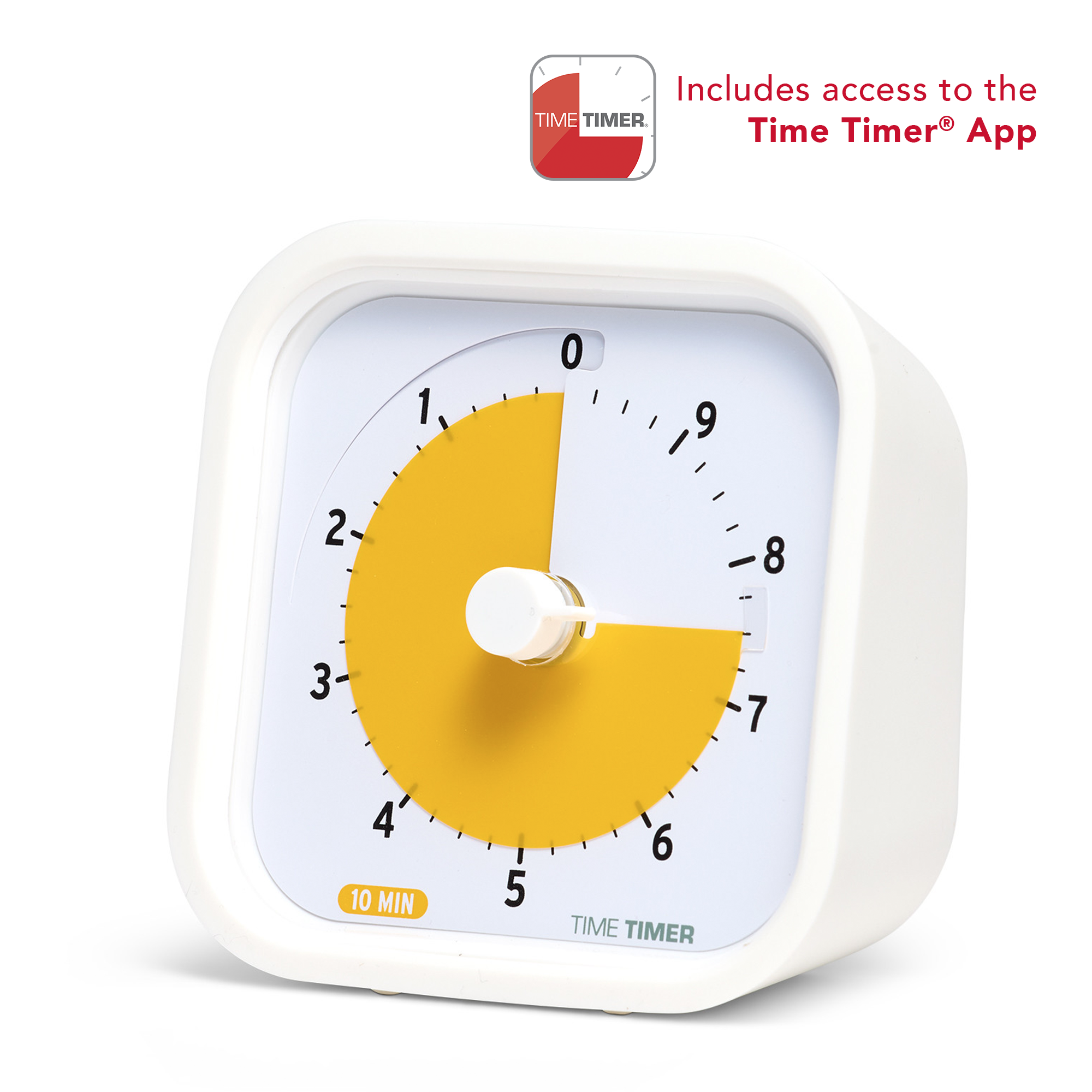
And if you’re experimenting with flexible Pomodoro durations, check out tools that adapt to your energy instead of forcing a fixed timer.
Your brain isn’t broken.
It just needs a better system.