

Introduction: Pomodoro Didn’t Work for Me (Or So I Thought)
I didn’t fail Pomodoro.
Pomodoro failed me—at least that’s what I believed the first three times I tried it.
If you’ve ever searched “why I quit pomodoro” or whispered “this technique is not for me” after another broken focus session, you’re not alone. I quit Pomodoro three separate times, each time more convinced that the method was overrated.
But here’s the twist:
Pomodoro did work—just not the way the internet told me it would.
This post isn’t another “Pomodoro is great” guide. It’s an honest breakdown of:
- Why I quit Pomodoro (again and again)
- What was actually wrong
- The exact changes that finally made it work
If you’re on the verge of quitting Pomodoro—or already have—this might save you months of frustration.
My First Quit: 25 Minutes Feels Too Long
What I Expected
I thought Pomodoro would feel like:
- Instant clarity
- Laser focus
- Smooth flow for 25 minutes
What Actually Happened
- First 5 minutes: resistance
- Next 10 minutes: mind wandering
- Last 10 minutes: staring at the timer
When the bell rang, I felt relief, not accomplishment.
So I concluded:
“If I can’t focus for 25 minutes, Pomodoro is useless.”
And I quit.
The Real Problem
I wasn’t bad at Pomodoro.
I was bad at starting focus cold.
I jumped straight into a 25-minute session without:
- warming up mentally
- clarifying the task
- reducing cognitive load
Pomodoro assumes you’re already ready. I wasn’t.
My Second Quit: Pomodoro Makes Me More Anxious
A few months later, I tried again—this time seriously.
What Changed
- I followed the rules strictly
- No phone
- No breaks outside the timer
- No flexibility
What Happened
Instead of focus, I felt pressure.
- Watching the timer tick
- Panicking when focus broke
- Feeling guilty for “wasting” sessions
The timer became a judge, not a helper.
So again, I told myself:
“Pomodoro is stressful. I quit.”
The Real Problem
I treated Pomodoro like:
- a discipline test
- a productivity competition
- a productivity identity
But Pomodoro is a measurement tool, not a moral one.
I wasn’t failing the system.
I was judging myself through it.
My Third Quit: It Works for Others, Not Me
This one hurt the most.
I saw people online:
- completing 8–10 Pomodoros a day
- posting perfect productivity dashboards
- praising the method endlessly
Meanwhile, I struggled to finish two sessions.
So I quit again—this time emotionally.
“Pomodoro works for focused people. I’m just not built like that.”
The Real Problem
Comparison destroyed curiosity.
Instead of asking:
- Why does my focus break?
- When do I focus better?
I only asked:
- Why am I worse than others?
That question kills experimentation.
The Turning Point: I Stopped Using Pomodoro “Correctly”
Everything changed when I broke the rules.
Instead of forcing Pomodoro to work, I asked a better question:
“What is Pomodoro trying to show me?”
I Realized Something Important
Pomodoro isn’t about:
- 25 minutes
- tomato timers
- perfect streaks
It’s about awareness.
So I redesigned how I used it.
What I Changed (And Why I Stopped Quitting Pomodoro)
1. I Shortened the Session (Drastically)
I stopped starting with 25 minutes.
Instead:
- 10 minutes when tired
- 15 minutes when average
- 25 minutes only when ready
This removed mental resistance.
Result:
Starting became easier than procrastinating.
2. I Treated Broken Focus as Data, Not Failure
Whenever my focus broke, I noted why:
- boredom
- anxiety
- phone urge
- task confusion
- fatigue
No judgment. Just labeling.
Result:
Patterns appeared:
- I lose focus after lunch
- Writing drains me faster than reading
- Noise affects me more than I thought
Pomodoro became a mirror, not a whip.
3. I Stopped Chasing Session Count
I no longer aim for:
- “8 Pomodoros a day”
- “perfect productivity streaks”
Now I aim for:
- one honest focused session
Anything beyond that is a bonus.
Result:
Consistency replaced burnout.
4. I Focused on Recovery, Not Just Focus
Earlier, I ignored breaks.
Now I use breaks intentionally:
- standing
- breathing
- stretching
- silence (not scrolling)
Result:
My second session improved naturally.
Why Most People Quit Pomodoro (And Think It Failed)
Based on my experience, people quit Pomodoro because:
- They start with the wrong duration
- They expect instant deep work
- They use the timer to judge themselves
- They copy others instead of observing themselves
Pomodoro isn’t a productivity hack.
It’s a self-awareness tool disguised as a timer.
If you skip awareness, you’ll quit Pomodoro—just like I did.
When Pomodoro Finally Worked (Quietly)
There was no dramatic moment.
No “10 Pomodoros in one day” story.
Just this realization:
“I understand my focus better now.”
That’s when Pomodoro started working.
Not as motivation.
Not as discipline.
But as clarity.
If You’re About to Quit Pomodoro, Read This
Before you quit Pomodoro completely, try this instead:
- Reduce the timer
- Stop chasing numbers
- Track why focus breaks
- Design sessions around your energy
Don’t ask:
“Why can’t I do Pomodoro?”
Ask:
“What is Pomodoro teaching me about my focus?”
That question changes everything.
Final Thoughts: Quitting Pomodoro Was Part of the Process
I quit Pomodoro three times.
Each quit taught me something:
- about resistance
- about anxiety
- about comparison
Ironically, quitting helped me use Pomodoro correctly.
So if you’ve quit—or are about to—don’t feel guilty.
You might not be failing Pomodoro.
You might just be learning how your mind actually works.
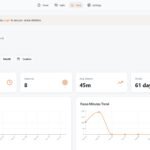
If you’re curious, you can try rbpomodoro.com like this:
- Use it for one short session
- Don’t aim for perfection
- Just notice when and why your focus breaks
That’s it.
Even one session can show you more than a week of forcing productivity.
👉 Try it once: https://rbpomodoro.com
No signup pressure.
No productivity guilt.
Have you ever quit Pomodoro and come back to it later?
What made you stop—or restart?
Share your experience. Your story might help someone else who’s about to quit.